
Kosher Charcuterie Board: How to Build a Stunning, Seriously Kosher Spread

What Is a Kosher Charcuterie Board?
A charcuterie board is a curated display of sliced meats, cheeses (on dairy boards), crackers, fruits, nuts, and dips arranged for communal serving. The French tradition of charcuterie—the preservation and preparation of cured meats—has been adapted across the world, including within Jewish communities following kashrut.
In a kosher context, the difference is significant. Pork and shellfish are forbidden entirely, so kosher boards feature beef, turkey, chicken, lamb, or plant-based items only. All meat must come from animals slaughtered through shechita, the kosher method performed by a certified shochet, with proper blood drainage through salting and soaking.
Because kashrut prohibits mixing meat and dairy products, hosts must curate either a meat charcuterie board or a dairy charcuterie board—never both on the same serving surface. This separation extends to all utensils, knives, and serving pieces that come into contact with the food.
All packaged items—meats, cheeses, crackers, dips—must display reliable kosher certification symbols. Check ingredient lists carefully for hidden non-kosher elements like gelatin derived from non-kosher animals or animal rennet in cheese.
A kosher charcuterie board adapts beautifully to any occasion:
-
Casual weeknight dinners with friends
-
Shabbat lunches and Friday night appetizers
-
Yom Tov meals and holiday celebrations
-
Special simchas like engagement parties, sheva brachot, or bar mitzvah receptions

Choosing the Right Board: Seriously Kosher Foundations
Dedicated boards are essential in a kosher kitchen to prevent cross-contamination between meat and dairy. Using the same surface for both categories—even at different times—generates kashrut concerns that many observant families prefer to avoid entirely.
The solution is simple: use separate wooden boards like the ones we make which are engraved “Seriously Kosher – Meat” and “Seriously Kosher – Milk” so everyone instantly knows what’s being served. This clear labeling eliminates confusion during gatherings and demonstrates your commitment to kashrut quality.
Personalized cutting boards with cut-out letters and “Seriously Kosher” laser engraving serve dual purposes. They function as the main serving surface for your spread while also acting as a central focal platter among smaller plates and ramekins.
Recommended Board Sizes
|
Guest Count |
Board Size |
Best Use |
|---|---|---|
|
2–4 people |
9×12.5 inches |
Intimate Shabbat dinner |
|
6–9 people |
16×12.5 inches |
Holiday gathering |
|
10+ people |
Multiple coordinated boards |
Large simcha buffet |
For practical maintenance, wipe boards with kosher food-safe mineral oil periodically to keep the grain rich and the wood protected. Meat boards should be thoroughly cleaned between uses following kosher kitchen standards—scrubbing with soap and water, then allowing to dry completely.
Building a Meat Kosher Charcuterie Board
This section focuses exclusively on meat boards with no cheese or dairy dips anywhere on or near the board. The separation principle means even pareve items served on a meat board should remain designated for meat use.
Start with your “Seriously Kosher – Meat” engraved board as the base. Place meats in distinct sections and fill gaps with pareve sides like fruits, nuts, and pickles to create visual interest and flavor balance.
Essential Kosher Cured and Deli Meats
Select 3–5 types of kosher meats, all clearly marked with kosher certification:
-
Beef salami (mild or spicy varieties)
-
Pastrami with its signature black pepper crust
-
Corned beef slices, thinly cut for easy serving
-
Turkey breast, roasted or smoked
-
Beef jerky pieces for a chewy, flavorful staple
Jewish contributions to charcuterie include duck prosciutto, which has roots in Sephardic Jewish communities in Italy and Spain.
Include at least one smoked item—such as smoked turkey or smoked beef slices—to add flavor depth and aroma that draws people to the board. The richness of smoked meats paired with fresh accompaniments creates the perfect taste combination.
Non-Dairy Accompaniments
Arrange these in small ramekins spaced across the board:
-
Grainy mustard and Dijon varieties
-
Horseradish sauce (white or beet-based)
-
Olive tapenade
-
Techina (tahini) for a creamy pareve option
-
Pareve red pepper spread or hummus
Add crunchy elements along the edges: seeded crackers, mini baguette slices (verified pareve), or matzah during Passover. Arrange them in fans or stacks for visual appeal.
Color comes from produce:
-
Grapes (red and green)
-
Cherry tomatoes
-
Cucumber spears
-
Sliced fennel or radishes
-
Black olives and pickles
Place these between meat groupings to separate unique flavors and create a vibrant, appetizing display.
Creating a Dairy Kosher Charcuterie (Cheese) Board

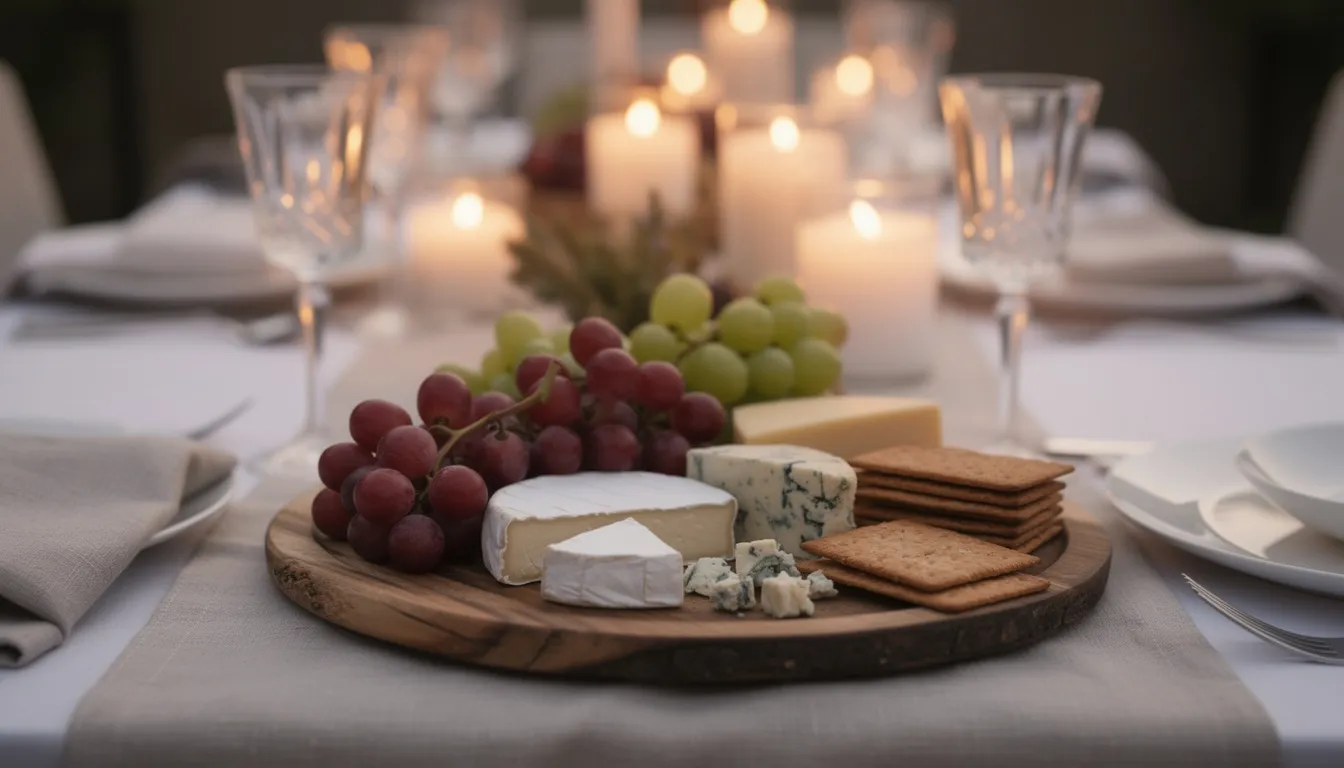
Dairy boards feature cheeses and dairy-based dips with no meat, poultry, or meat-derived gelatin. Use only your “Seriously Kosher – Milk” board to maintain proper separation and signal clearly to guests what they’re enjoying.
Cheese Selection
Choose 3–5 kosher-certified cheeses with varied textures:
|
Texture |
Example Cheeses |
|---|---|
|
Firm |
Cheddar, Manchego-style, aged Swiss |
|
Semi-soft |
Gouda, Muenster, Havarti |
|
Soft |
Brie, Camembert (verify certification) |
|
Crumbly |
Feta, goat cheese |
Leave at least one cheese whole or in a wedge with a cheese knife for guests to slice themselves—this creates interaction and visual interest. Pre-slice or cube other cheeses for easier serving and appealing patterns.
Fruit Pairings for Dairy Cheese Boards
-
Kiwi
-
Berries including strawberries, blueberries or raspberries
-
Ripe pears, sliced thin
-
Fresh figs or dried figs
-
Dried apricots
Group fruits by color for visual impact—cluster kiwi near white cheeses, place other fruits alongside aged orange cheddars.
Dairy-Friendly Dips and Spreads
Incorporating dips and spreads can add variety and enhance the flavors on a kosher charcuterie board.
Arrange in small bowls around the board:
-
Honey (drizzled or in a honey dipper)
-
Fig jam or jams of various flavors
-
Apricot preserves
-
Olive tapenade
-
Herbed cream cheese
Nuts and Crunch
Fruits, nuts, and herbs can add color and visual appeal to a kosher charcuterie board.
-
Toasted almonds
-
Walnuts
-
Pistachios
-
Crackers with reliable kosher certification
-
Breadsticks
-
Slices of sourdough or rye bread
The styling for dairy boards tends toward more delicate and elegant compared to meat boards. Fan cheese wedges gracefully, let fruits cascade naturally, and tuck small bowls into corners for a refined look.
Perfect Pairings: Fruits, Vegetables, and Pickled Goodness
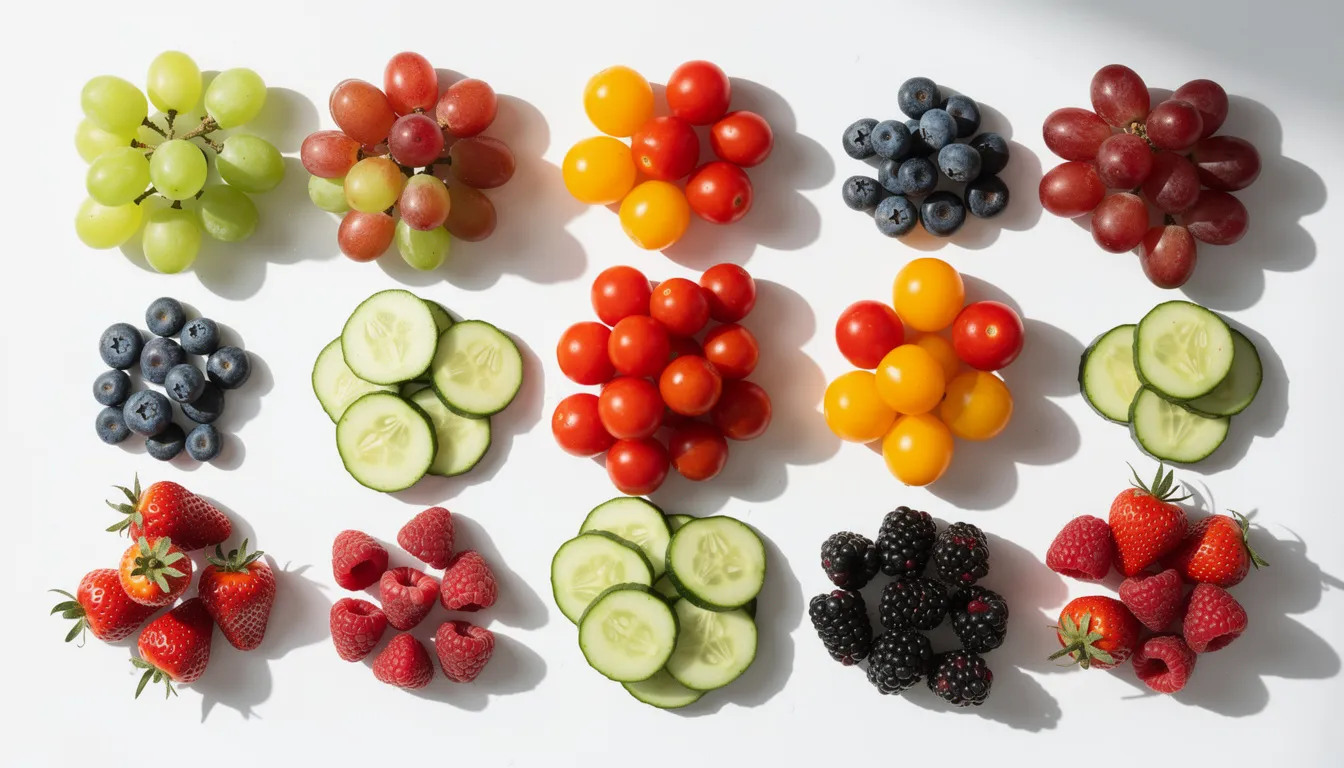
Produce and pickles balance the richness of meats or cheeses while adding essential color to your board. These elements transform a good spread into a stunning one.
Fresh Fruits (Pareve—Works on Both Board Types)
-
Red and green grapes
-
Berries: strawberries, blueberries, raspberries
-
Apple slices (brush with lemon)
-
Pear slices
-
Melon cubes
-
Fresh figs when in season
Dried Fruits
Cluster these in small piles to create texture and sweet accents:
-
Dates
-
Figs
-
Cranberries
-
Raisins
-
Apricots
Vegetables
Group near dips for easy pairing:
-
Cherry tomatoes
-
Cucumber rounds
-
Carrot sticks
-
Bell pepper strips (all colors)
-
Fennel slices
Pickled Additions
These add tangy contrast—serve each in small bowls or tight clusters to prevent brine from spreading:
-
Israeli pickles
-
Cornichons
-
Pickled onions
-
Black and green olives
-
Sauerkraut
-
Capers
Keep your layout clean by separating juicy items like pickles and tomatoes from crackers and bread using ramekins or small dishes. This prevents soggy crackers and maintains the quality of each element.
The visual effect should be vibrant and colorful. Distribute greens and reds evenly across the board to avoid color “clumps” in a single corner.
Arranging Your Kosher Charcuterie Board Like a Pro
Thoughtful arrangement makes even simple ingredients look luxurious and inviting. This is where kosher charcuterie becomes an art form worthy of any food magazine.
Start with Anchor Items
Place your largest elements first in a rough triangle or zig-zag pattern:
-
Cheese wedges (dairy boards)
-
Clusters of folded salami (meat boards)
-
Small bowls of dips
Folding and Rolling Techniques
Create visual interest with these meat and cheese presentations:
-
Salami roses: Fold slices in half, then roll and fan out
-
Pastrami ribbon folds: Loosely accordion-fold slices
-
Overlapping cheese slices: Shingle in rows
-
Rolled turkey: Tight cylinders standing upright
These techniques add height and movement to your board.
Fill the Gaps
Add fruits, nuts, and crackers in remaining spaces. Aim for:
-
No large gaps of blank board visible
-
No overcrowding that makes items hard to grab
-
Visual flow that guides the eye across the spread
Helpful Labels
Consider a small food marker indicating:
-
“Spicy” for pepper-crusted meats
-
“Gluten-Free” for certified crackers
-
“Nut-Free” sections for allergy safety
-
“Pareve” for items safe with either meat or dairy meals
These help guests with sensitivities navigate your board confidently.
Holiday & Shabbat Themes for Kosher Charcuterie Boards

Boards can be tailored to specific Jewish holidays, Shabbat dinners, and simchas while remaining fully kosher. The history of Jewish food traditions combines beautifully with modern charcuterie presentation.
Shabbat
Create a Friday night meat board featuring:
-
Sliced deli meats arranged elegantly
-
Black olives and pickles
-
Fresh bread challah rolls served nearby (not on the board if using utensils that touched meat)
-
Present on your “Seriously Kosher – Meat” board as an appetizer before the meal
Rosh Hashanah

Build a dairy or pareve board emphasizing sweetness for the new year:
-
Apples sliced and arranged in fans
-
Honey in a decorative dish
-
Pomegranate seeds scattered like jewels
-
Raisins and dates
-
Sweet dips like apple butter
-
Arrange in circular patterns representing the cycle of the year
Shavuot
Create a lush dairy board celebrating the tradition of dairy foods:
-
Multiple cheeses in varied textures
-
Cheesecake bites as an unexpected addition
-
Fresh herbs like parsley for garnish
-
Spring-like colors with green grapes and light fruits
-
Use your “Seriously Kosher – Milk” board prominently
Hanukkah
Add latke-inspired elements to your spread:
-
Mini potato pancakes served nearby on a separate warming dish
-
Sour cream for dairy boards
-
Pareve apple sauce in small bowls
-
Foods fried in oil connecting to the holiday theme
Passover
Adapt your board for Pesach requirements:
-
Kosher for Passover certified meats only
-
Matzah instead of crackers
-
Charoset-style fruit and nut mixes
-
Ensure the board material and all foods fit your Passover stringencies
-
Check all spices and dips for Passover certification
Serving, Safety, and Kashrut-Friendly Hosting Tips
Presentation, timing, and food safety matter as much as aesthetics, especially when serving a group at larger gatherings.
Timing Guidelines
-
Prepare boards close to serving time—within 1–2 hours
-
Refrigerate meats and cheeses beforehand to keep them safe and fresh
-
Add crackers and bread last, just before serving, to avoid softening from moisture
Utensil Separation
Use separate tools for meat and dairy boards:
-
Designated knives for each board type
-
Separate tongs and small spoons
-
Matching utensils to the appropriate “Meat” or “Milk” board
Clear Labeling for Events
At larger gatherings, create clear zones:
-
One table marked “Fleishig” with your “Seriously Kosher – Meat” board
-
Another side “Milchig” with your “Seriously Kosher – Milk” board
-
Signage helps guests navigate confidently
Allergy Considerations
-
Check with guests about common allergies (nut-free, gluten-free)
-
Offer a small, clearly-marked section or mini-board without those allergens
-
Use toothpicks or small serving utensils to prevent cross-contact
Cleanup and Storage
-
Refrigerate leftovers promptly
-
Clean wooden boards according to kosher kitchen practices
-
Allow boards to dry thoroughly between uses to maintain quality and kashrut
FAQ
Can I put meat and cheese together if they stay on different corners of the same board?
Under kosher dietary laws, meat and dairy should never be served on the same board or platter, even if separated into different corners or zones. The mix of these categories on shared surfaces violates kashrut principles. Create distinct boards instead: one fully meat-based using your “Seriously Kosher – Meat” cutting board, and a completely separate dairy board using your “Seriously Kosher – Milk” board. This approach simplifies both halachic observance and overall comfort, especially in mixed or observant crowds.
What are some kosher-friendly meat alternatives for vegetarian guests?
Plant-based sausages and deli-style slices carrying reliable kosher certification offer a meat-like option for vegetarians. You can also include hearty pareve items such as roasted chickpeas, marinated grilled vegetables, dolmadas, and hummus to add protein and substance to the board. These vegetarian elements work well on both meat and dairy boards as long as their equipment and certification match the board type being served. Fish like smoked salmon (on a dairy or pareve board, following your family’s tradition) provides another protein option.
How far in advance can I assemble a kosher charcuterie board?
Prepare most components—washing produce, slicing vegetables, making dips—up to a day before and store them separately in the refrigerator. Assemble the actual board 30–60 minutes before guests arrive so meats or cheeses come slightly closer to room temperature for best flavor while staying food-safe. Crackers and bread should be added last, just before serving, to avoid softening from moisture given off by fruits or pickles. Wine and other beverages can be arranged alongside in advance.
Do all crackers, breads, and dips need to be certified kosher too?
Every item on the board—not just the meats and cheeses—must carry reliable kosher certification, including crackers, bread, mustard, jams, and all dips. Some products may appear vegetarian but contain wine vinegar, animal-derived emulsifiers, or other ingredients requiring kosher supervision. Keep original packaging nearby or snap photos of the hechsher (kosher symbol) so you can reassure guests who pay close attention to certification. This attention to detail reflects the care that makes kosher entertaining meaningful.
Can I use the same Seriously Kosher board for both meat and dairy at different times?
Many kosher households keep completely separate boards for meat and dairy and maintain separation consistently throughout the board’s lifespan. The Seriously Kosher brand offers boards specifically engraved “Seriously Kosher – Meat” and “Seriously Kosher – Milk” to support this practice and avoid any mix-ups. Anyone with specific halachic questions about kashering or switching a board’s status over time should consult their own rabbi for personalized guidance based on their family’s tradition and standards.
The foundations of kosher dietary laws are rooted in ancient Jewish religious texts, such as the Torah.
In a Nutshell
-
A kosher charcuterie board never combines meat and dairy; build either a meat board or a dairy board, never both on the same platter.
-
Pork, shellfish, and non-kosher meat products are completely excluded; all meats and cheeses must carry reliable kosher certification.
-
Use designated “Seriously Kosher – Meat” and “Seriously Kosher – Milk” cutting boards to keep your spreads clearly separated and prevent cross-contamination.
-
This ultimate guide walks through ingredients, layout ideas, seasonal themes, and hosting tips for Shabbat, holidays, and simchas.
-
Thoughtful arrangement transforms simple kosher ingredients into an art form that honors tradition while making a memorable meal for friends and family.